Mongolian Food Vocabulary: Read Menus And Order Like A Local

Author
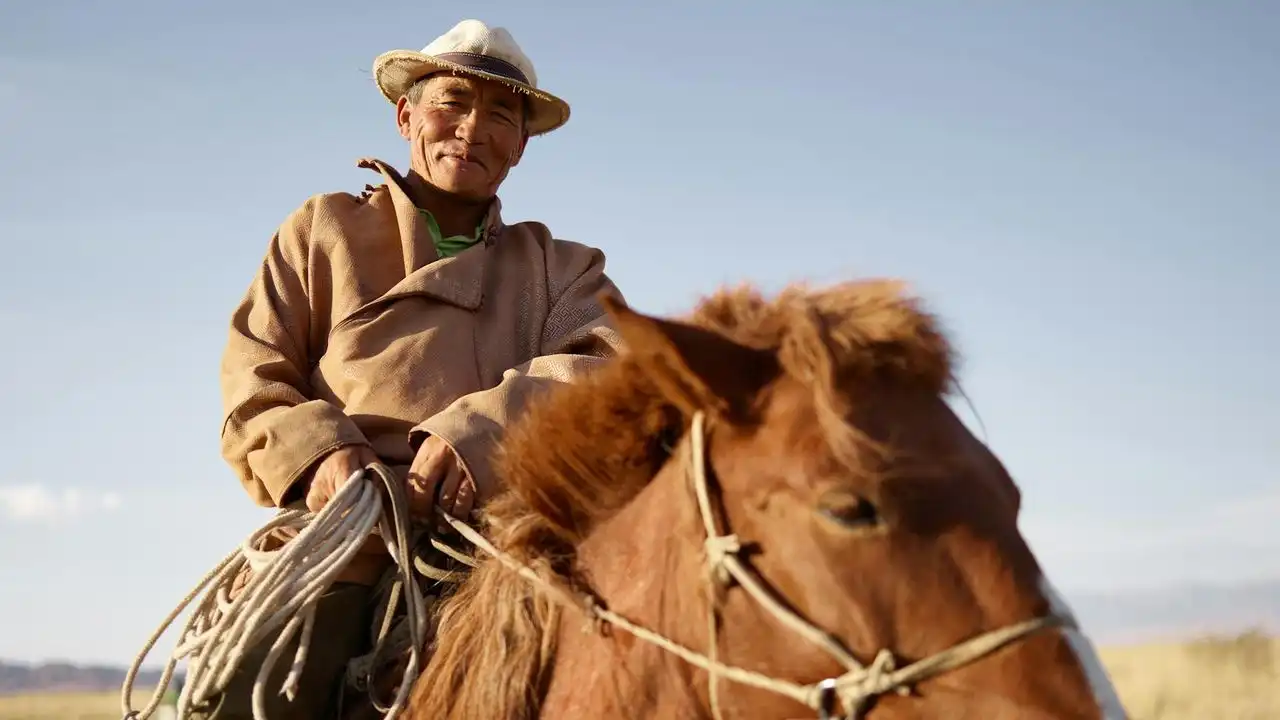
Ordering food in Mongolia is much easier when you know the basic vocabulary.
Menus in Ulaanbaatar often lack English translations outside of tourist areas.
Learning a few key food words will help you navigate traditional restaurants with confidence.
Understanding regional ingredients and cooking methods is also a great way to improve your overall Mongolian comprehension.
I’ll show you exactly how to read a standard Mongolian menu and place your order.
Table of Contents:
Common traditional Mongolian dishes
Traditional Mongolian food is simple, hearty, and primarily based on meat and dough.
You’ll see the same staple dishes on almost every local restaurant menu.
Knowing these core dishes is the first step to understanding what you’re ordering.
| Mongolian | Transliteration | English Meaning |
|---|---|---|
| Бууз | Buuz | Steamed meat dumplings |
| Хуушуур | Khuushuur | Deep-fried meat pastry |
| Цуйван | Tsuivan | Stir-fried noodles with meat and vegetables |
| Банш | Bansh | Small boiled dumplings |
| Шөл | Shöl | Soup (usually meat and noodle based) |
| Сүүтэй цай | Süütei tsai | Traditional salty milk tea |
Essential meat vocabulary
Mongolian cuisine relies heavily on livestock.
The word for meat in Mongolian is makh (мах).
If you’re ordering a dish, it’ll usually specify the type of meat included.
Mutton and beef are the most common meats you’ll encounter in Ulaanbaatar.
| Mongolian | Transliteration | English Meaning |
|---|---|---|
| Мах | Makh | Meat |
| Хонины мах | Khoninii makh | Mutton / Sheep meat |
| Үхрийн мах | Ükhriin makh | Beef |
| Ямааны мах | Yamaanii makh | Goat meat |
| Адууны мах | Aduunii makh | Horse meat |
| Тахианы мах | Takhiianii makh | Chicken |
| Гахайн мах | Gakhain makh | Pork |
Useful restaurant words
Menus will often list portion sizes or side items.
The most important sizing words to know are tom (large) and jijig (small).
You should also know the basic words for water and rice to complete your meal.
| Mongolian | Transliteration | English Meaning |
|---|---|---|
| Цэс | Tses | Menu |
| Ус | Us | Water |
| Будаа | Budaa | Rice |
| Том | Tom | Large (portion) |
| Жижиг | Jijig | Small (portion) |
| Тооцоо | Tootsoo | Bill / Check |
How to order your food
When you enter a restaurant, you’ll usually need to ask the server for a menu.
You can politely ask for something by using the word ögööch (өгөөч), which means “please give me.”

Цэсээ өгөөч.
Ус өгөөч.
To tell the waiter what you want to eat, state the item and use the verb avya (авъя).
This directly translates to “I’ll take.”
Нэг том цуйван авъя.
Дөрвөн бууз авъя.
When you’re finished with your meal, you can ask for the bill.
Тооцоо хийе.
Картаар төлж болох уу?
Dietary restrictions and preferences
Eating vegetarian or vegan in Mongolia can be challenging outside of the capital city.
However, you can easily communicate your dietary needs by using the suffix -güi (гүй).
This suffix means “without” in Mongolian.
If you add it to the word for meat (makh), you get makhgüi (without meat).
Би мах иддэггүй.
Махгүй хоол байгаа юу?
You can also use the specific word for vegetarian, which is tsagaan khoolton (цагаан хоолтон).
This literally translates to “white food eater,” referring to traditional dairy products.
Би цагаан хоолтон.